
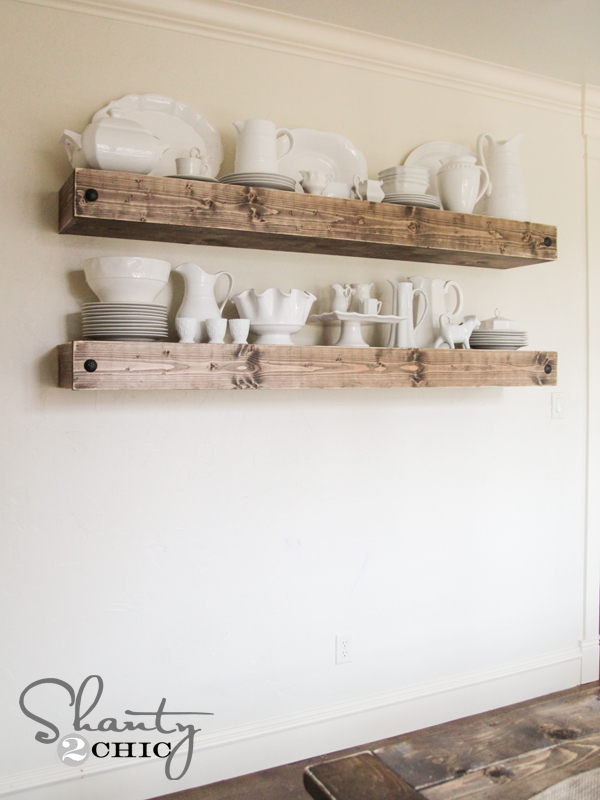
I am knee-deep in a dining room remodel. I had an itch to build some new pieces, so I decided to let everything go and start from scratch… Again. 🙂 First up on the list… Floating Shelves! Check em out!
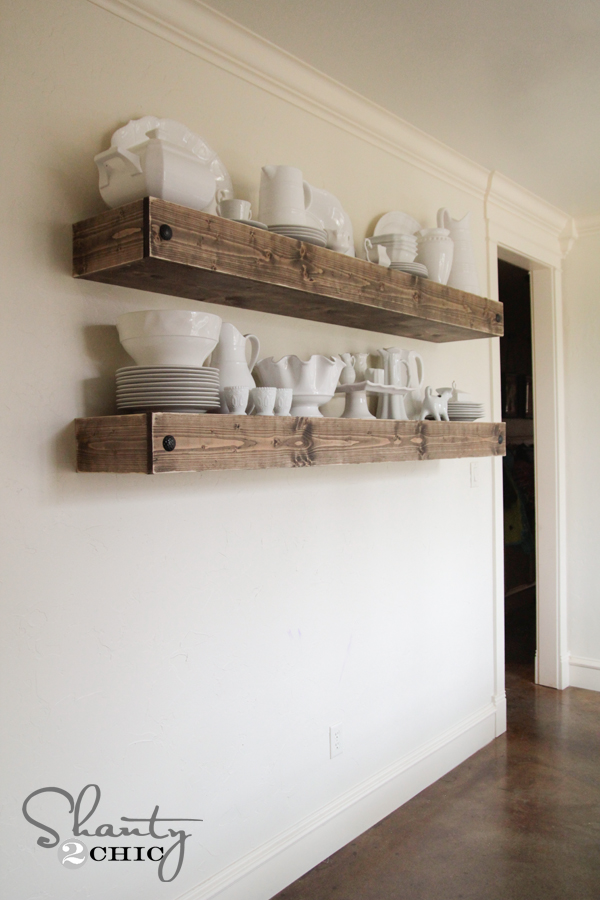
How fun are those?? I love how they opened up the space! And… Just wait until you see what’s going under them! 😉
Check out our How to Build a Floating Shelf Video HERE!
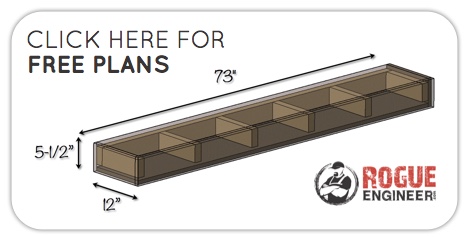
I teamed up with a good friend to bring you guys the printable plans for these shelves. I will walk you through the entire build here, and you can print the free plans for the shelves over at Rogue Engineer. Jamison is the author/builder over there. He is a great guy with a sweet wife and they have lots of great plans as well! Go check him out and tell him Shanty sent you for the DIY Shelf Plans!
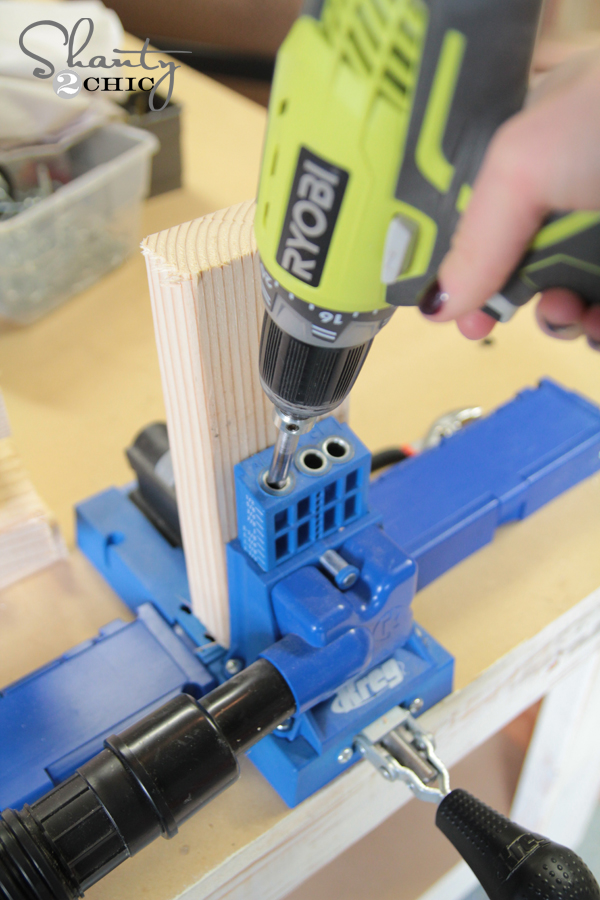
Like all of our floating shelves, I started by building the frame or supports of the shelves. I used 2×4 for this part. I also used my Kreg Jig for the entire build. I have several models of Kreg Jigs (all awesome). For those of you in the market for one, I totally suggest the K5 model!
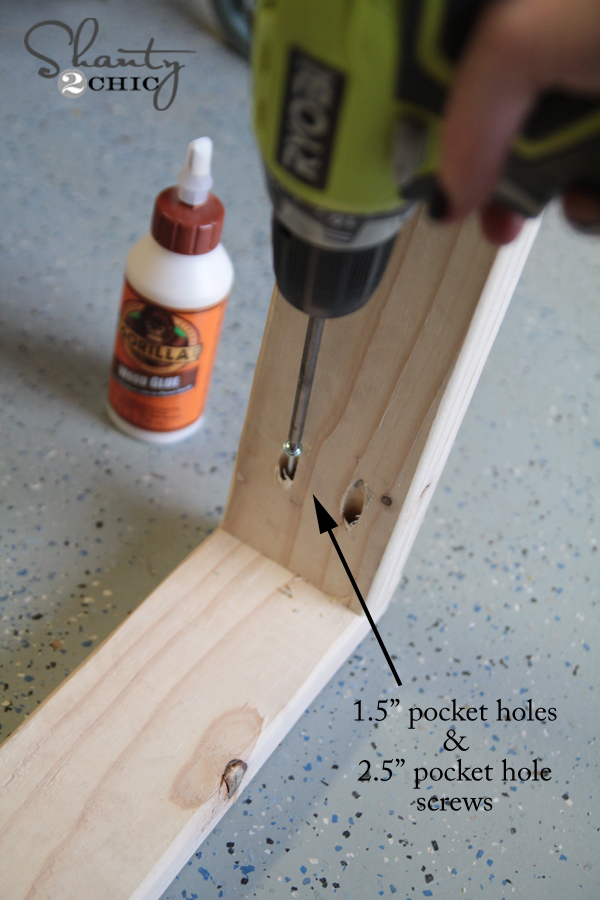
For the 2×4 frames, I used 1.5″ pocket holes and attached everything with Gorilla Wood Glue and 2.5″ pocket hole screws.
I spaced all of my small pieces evenly down the long back piece. When you are finished, it should look like this.
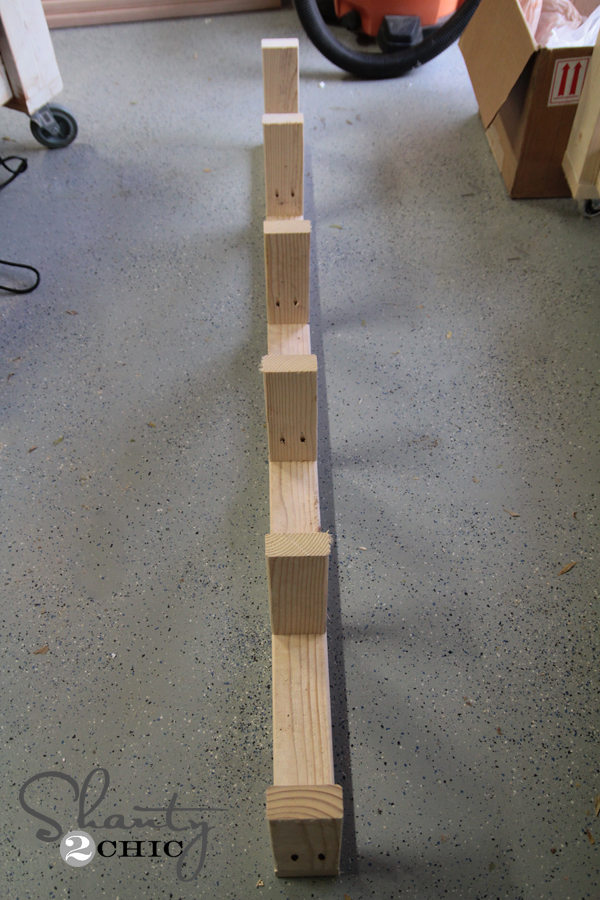
These frames will attach directly to the wall. Before doing that, I built the boxes.
I started by cutting my 1×12 boards and adding pocket holes. This is 3/4″ material, so I used 3/4″ pocket holes and 1.25″ pocket hole screws.
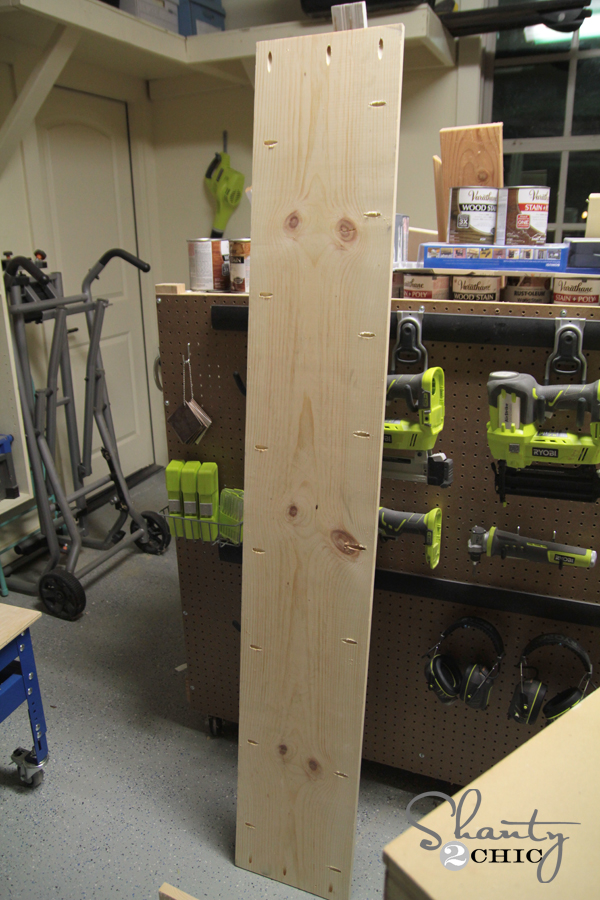
I attached the smaller side pieces first.
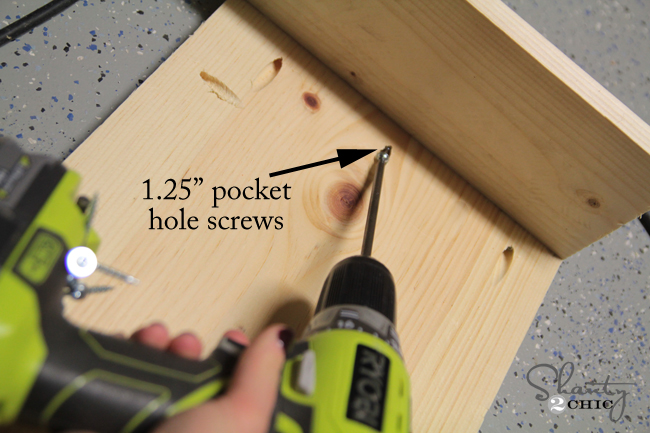
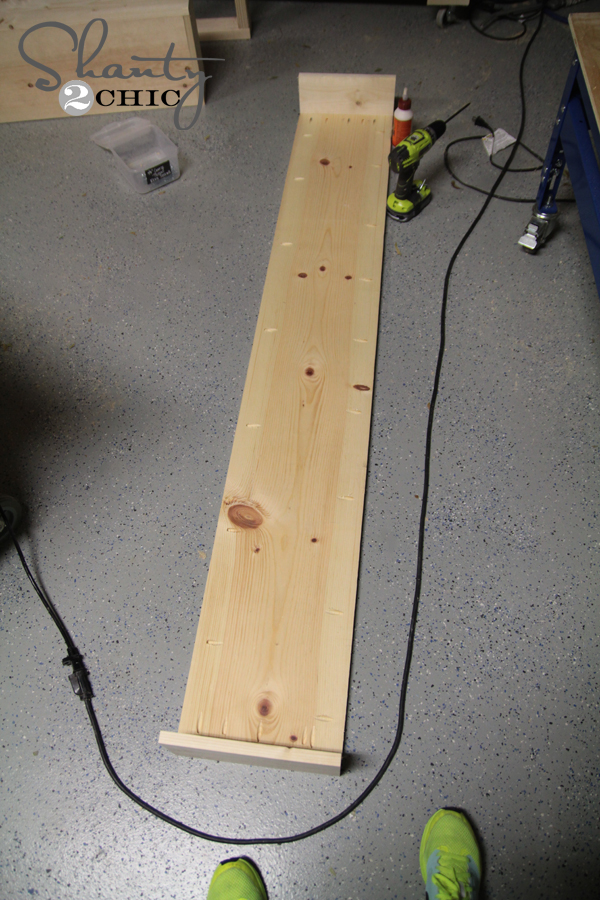
Next, I attached my long front piece.
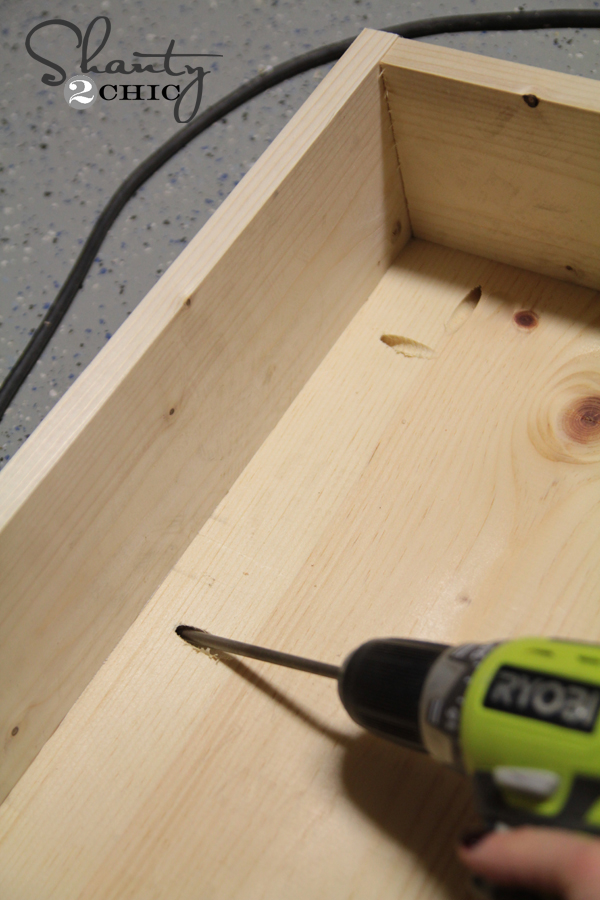

My final step was adding the bottom 1×12. This is a little bit of a squeeze with the tight space, but I have small hands so it wasn’t a problem. Guys… You might grab the wifey and have her help you on this part if your hands are too big! 🙂
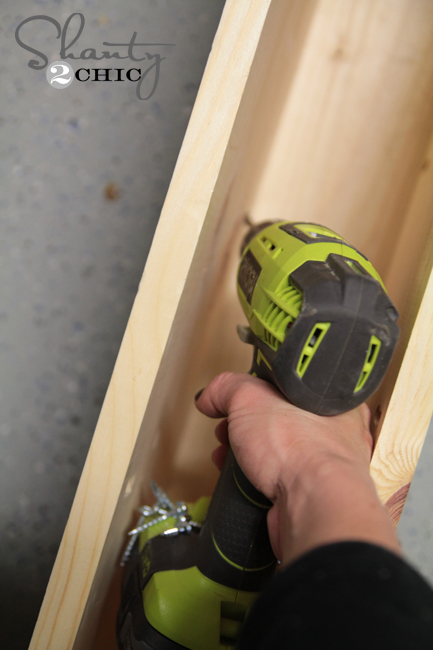
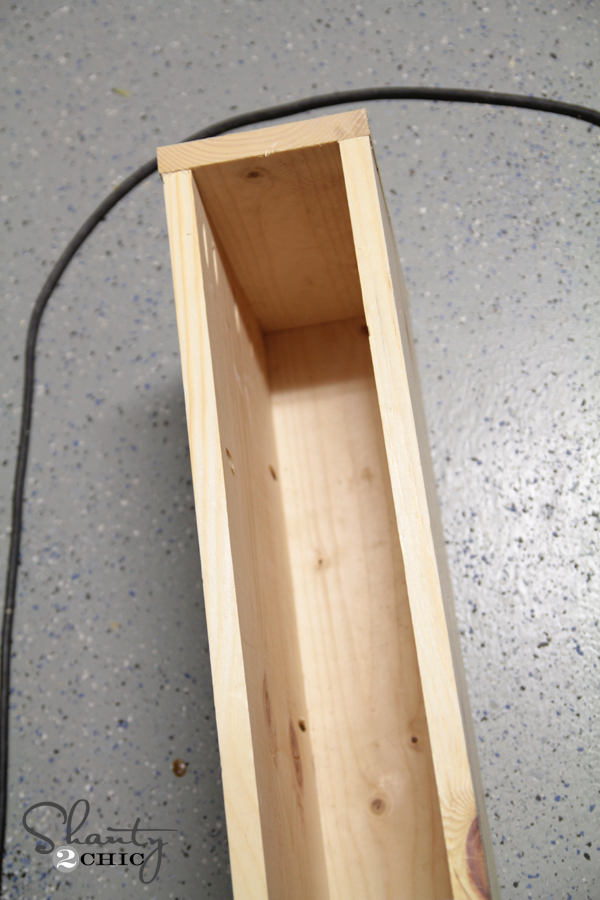
Once those boxes were built I stained them using a new FAV color called Ash by Varathane! You can find it at Home Depot. I stained mine and let it dry while I attached the frames to the wall.
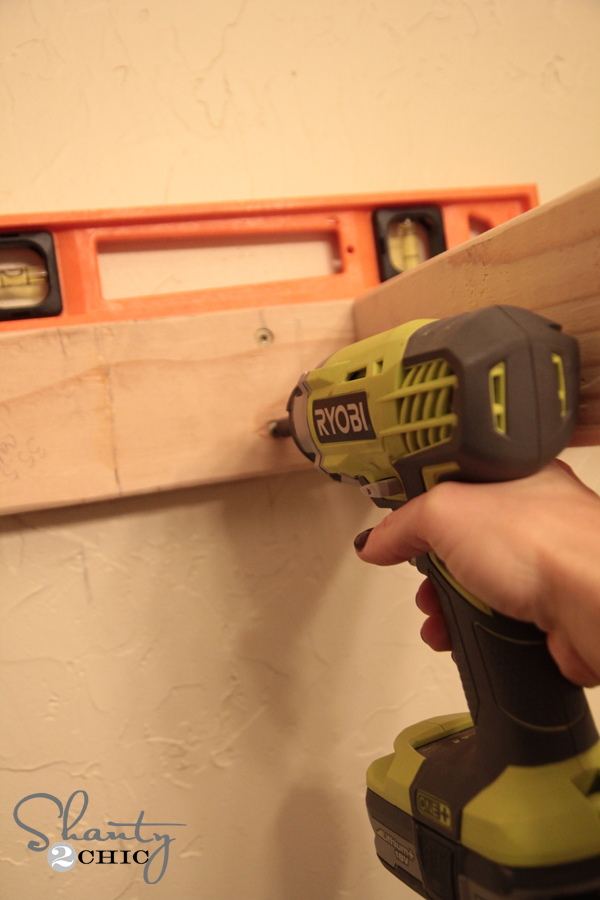
I started by finding the studs in my wall. I marked those with a pencil, and then held the frames up on the wall with a level on top. I put marks on the frame where my studs lined up and used my drill with a small bit to pre drill holes on those marks. This will keep the wood from splitting, and it also makes it easier to attach to the wall.

I like to keep the level on my frame as I’m attaching it to make sure it stays straight.
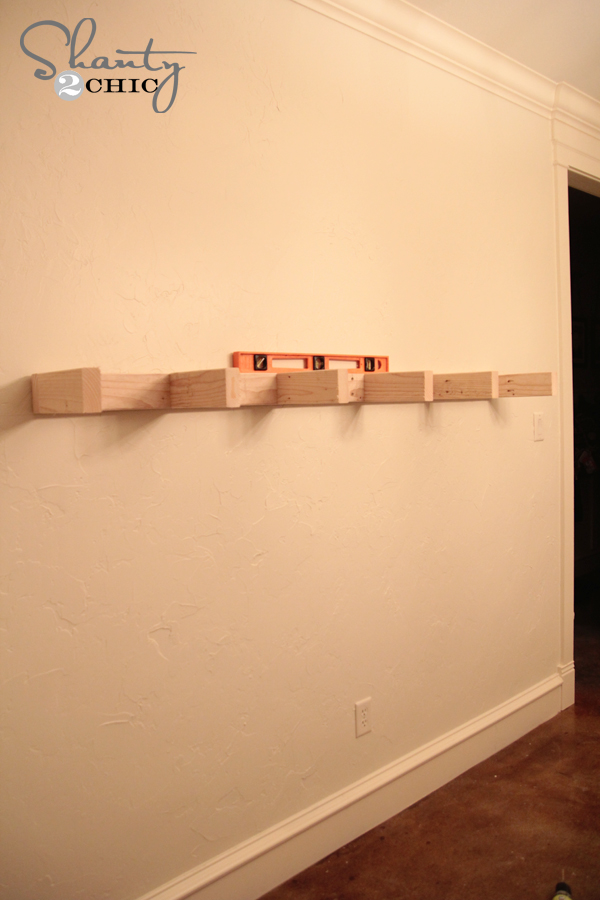
I used 3.5″ torx screws to attach my frames. You can also use wood screws. I used my amazingly awesome Ryobi Impact Driver to drive the screws through the frame and into the studs. This is such an awesome tool to add to your set guys. I use it anytime I am attaching something to the wall (which is fairly often) and for other applications. It’s awesome and inexpensive.
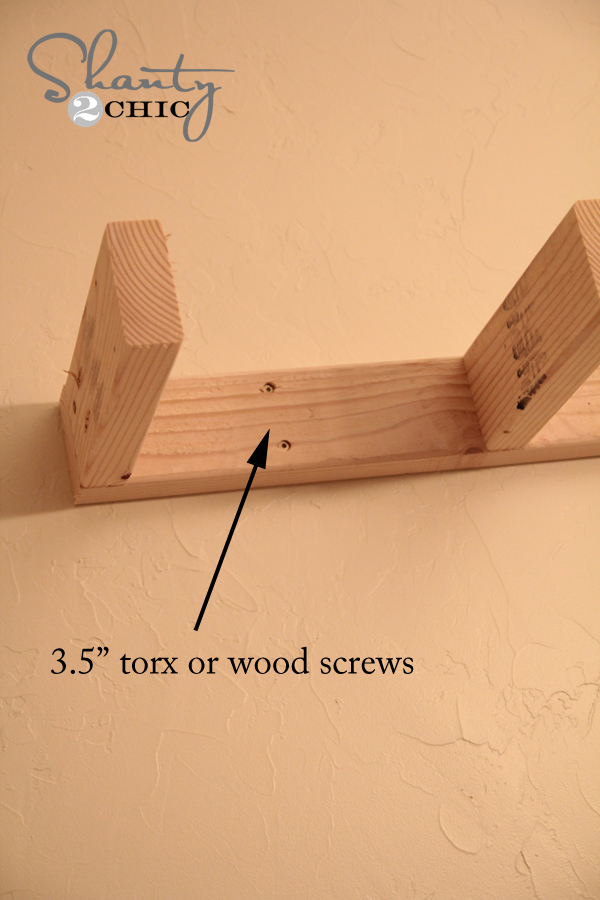
Here are both of my braces attached to the wall!

Before attaching the boxes to the frames, I used my Ryobi Corner Cat sander to distress the edges and corners of the boxes. I love the rustic touch it adds to the shelves… So shanty 😉
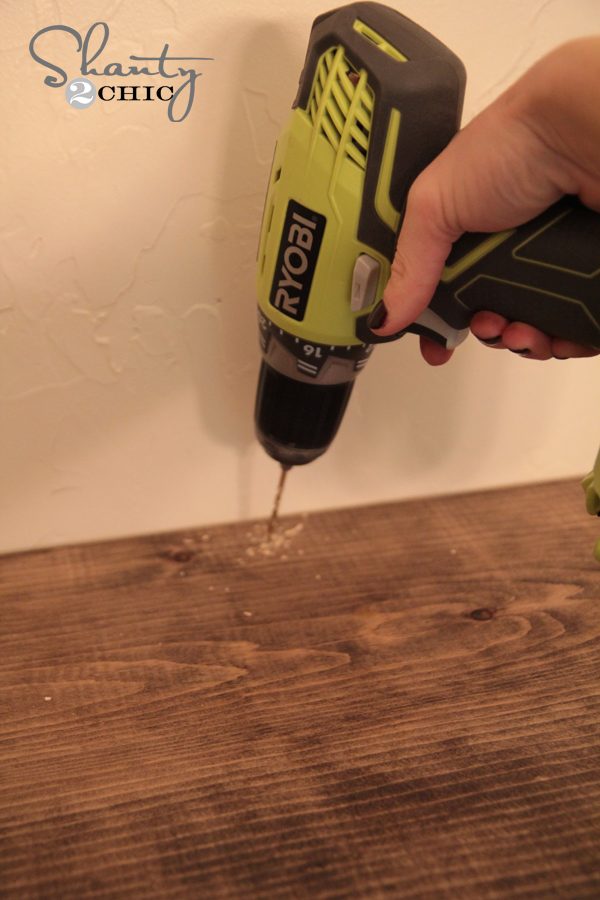
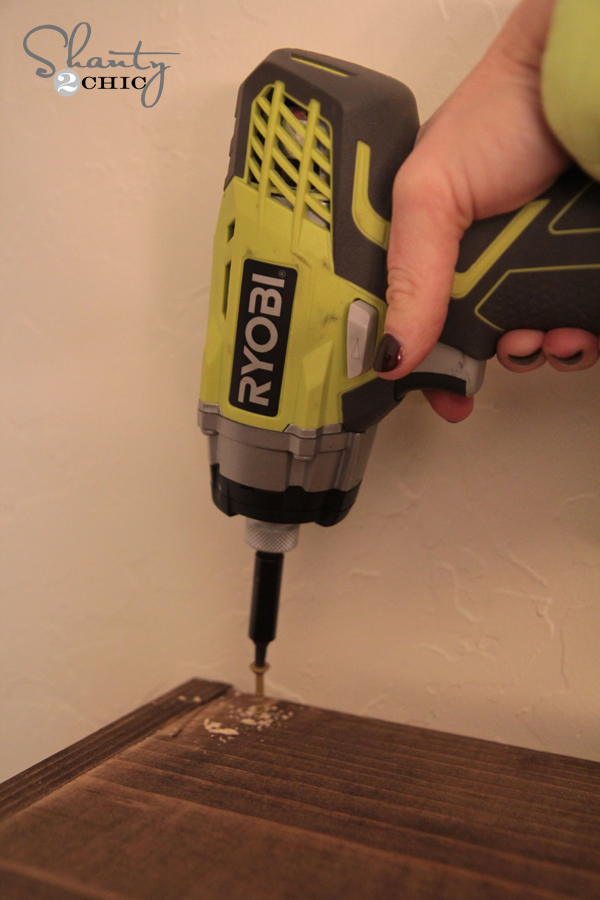
I fit the boxes over the frames and attached them using 1.5″ wood screws through the boxes and into the frames. Make sure to pre drill on this part too!
I used my impact driver on this part too!
DONE! I loaded them with dishes and I was ready to go. Here are a few more shots…
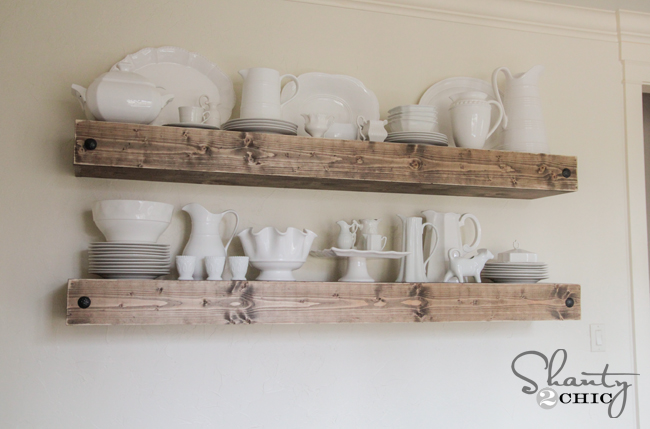
Thanks so much for stopping by guys! I cannot wait to show you the rest of the dining room as it comes together 🙂
I would LOVE for you to pin and share these with all your friends! Thanks so much!
Whitney

These floating shelf plans are really well thought out—clean aesthetics with a strong structural approach. For shelves like these, the internal support and the type of board used play a key role in long-term performance, especially when carrying weight. Engineered wood like quality plywood helps maintain strength while preventing warping over time. We’ve seen useful material insights on platforms like https://plywoodbazar.com/
for applications like this. Great build and very practical guide!
These floating shelves are a great example of clean design backed by solid construction. Achieving that seamless “floating” look really depends on both precise installation and the right core materials. Using high-quality plywood or well-engineered boards helps maintain strength while keeping the profile minimal, especially for load-bearing applications. We’ve come across resources like https://plywoodbazar.com/
that provide useful insights into suitable material choices for shelving and interior builds. Very well explained and practical tutorial!